Creating a relaxing atmosphere in the bedroom
In the evening, light prepares you for rest: which colour, what intensity, which low-level sources and which night light for a soothing bedroom.

In this article
In the evening, warm and low light
Our internal clock responds to light: bright, bluish light in the evening delays sleep, whereas warm, dim light helps us switch off. In a bedroom, evening lighting should therefore be warm (2700 K, or even lower) and low in intensity.
Avoid ceiling lights and white spotlights above the bed in the two hours before going to bed. Keep them for cleaning and tidying.
Sources below eye level
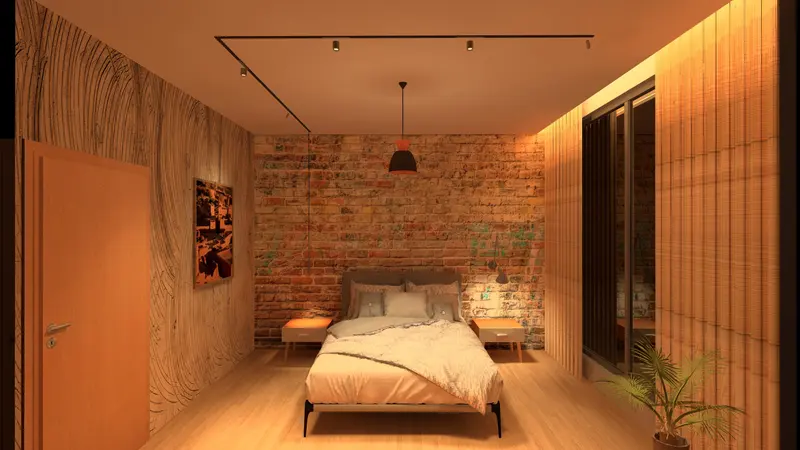
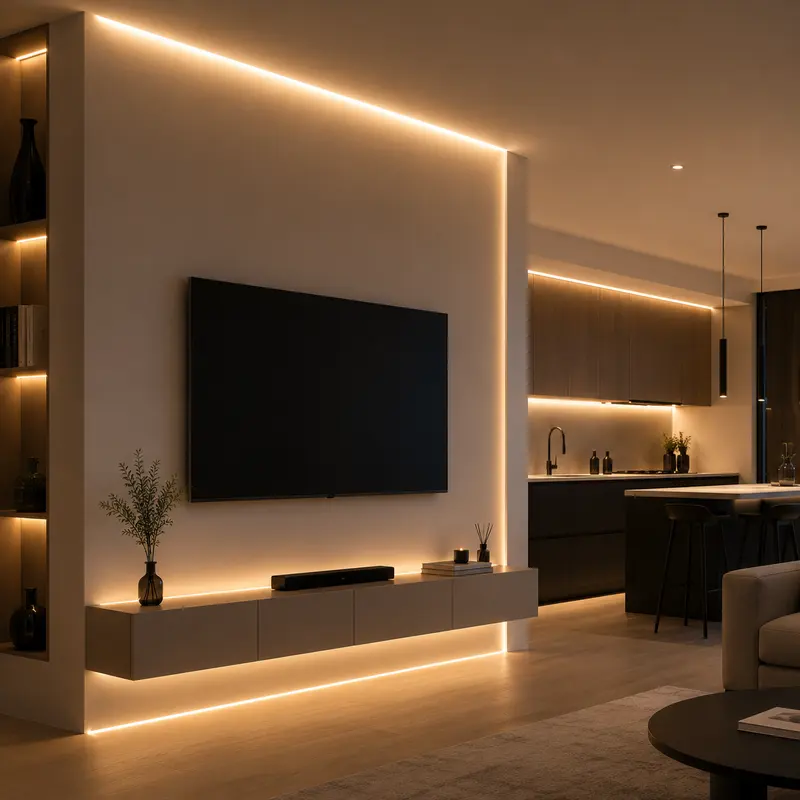
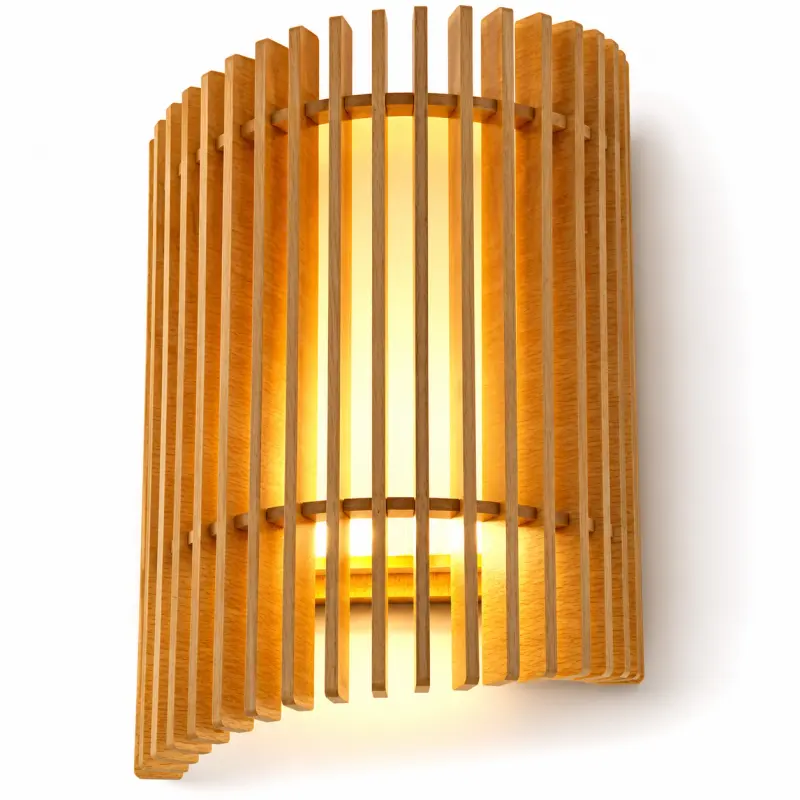
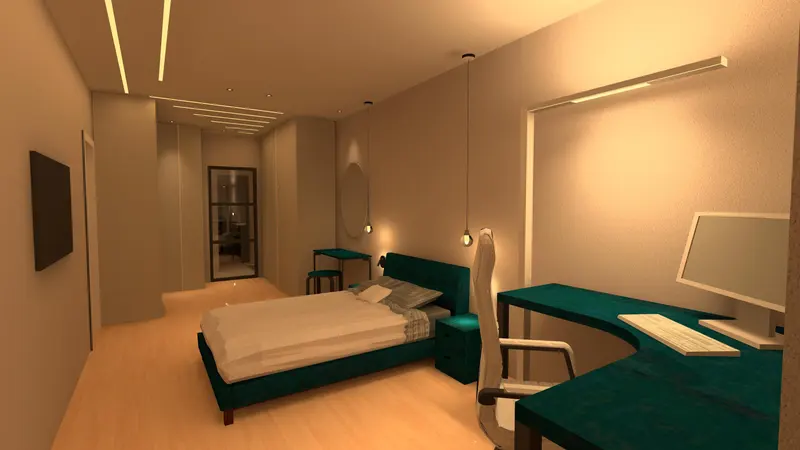
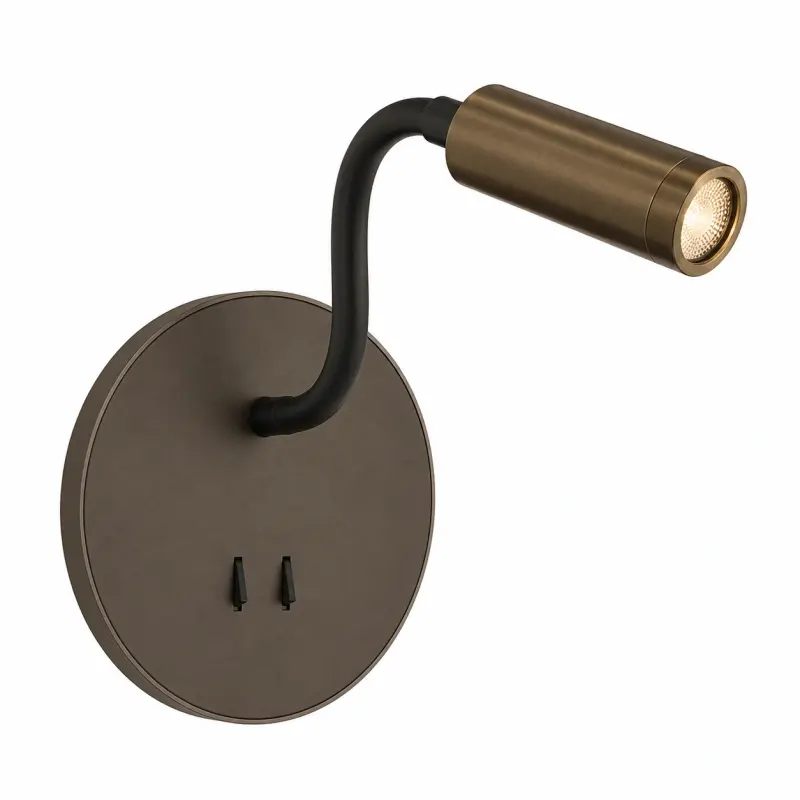
Light that comes from below or from the sides is more restful than light falling from the ceiling. Think of table lamps, low wall lights with shades, or an LED strip under the bed or behind the headboard. The ceiling stays in semi-darkness and the room feels more enveloping.
Materials matter: wood, fabric and amber glass soften the light. Avoid shiny surfaces facing the bed, which cast reflections.
Adjustable intensity
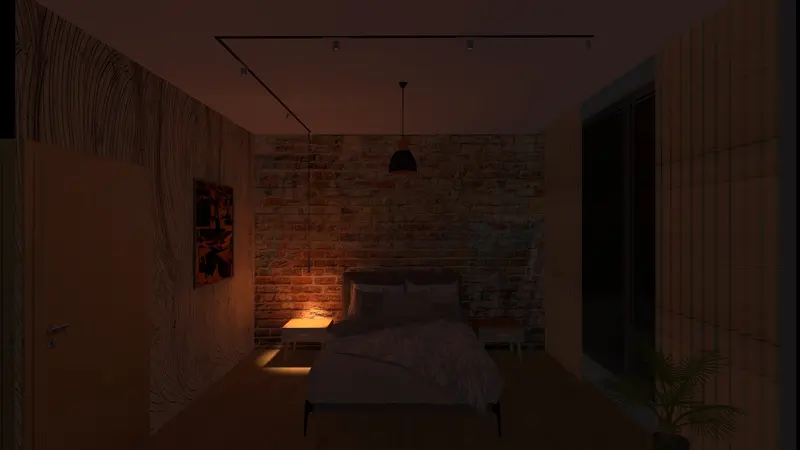
A dimmer is the bedroom’s best ally: the same light serves for tidying at full power and for unwinding at 10 or 20%. Check that the LEDs are sold as dimmable and that the dimmer is compatible with them, otherwise the light may flicker.
A night light
At night, to go to the bathroom or check on a child, all you need is very faint guide lighting close to the floor. An LED strip under the bed or along the skirting, controlled by a motion sensor, comes on gently when you put your feet on the floor and switches off by itself.
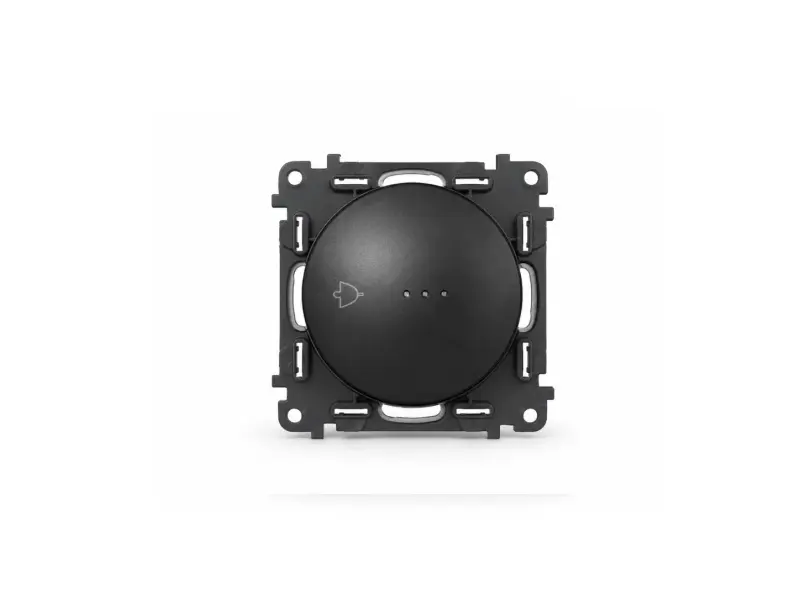
Choose amber or very warm light at minimal intensity: enough to see your way, not enough to wake you up completely. An illuminated push-button near the door also helps you find the switch in the dark.
The mistakes that stop you relaxing
- A bright white ceiling light as the only light: the bedroom looks like an office.
- Spotlights right above the bed: lying down, you get them in your eyes.
- Indicator lights and glowing screens (television, chargers, a very bright alarm clock): they are enough to disturb you in the dark.
- A single switch by the door: you have to get up again to turn the light off.
- Curtains that are too thin: light from the street or the garden comes in all night.
Fixing these points often costs less than a new light fitting: a low lamp, a dimmer, a two-way switch, blackout curtains.
In the morning, daylight
Conversely, in the morning, bright light helps you wake up: open the curtains, and if the bedroom is dark, a whiter light when you get up is welcome. Systems with adjustable colour temperature and smart lighting can even be programmed to bring the light up gradually.
- In the evening: 2700 K or lower, and low intensity.
- Low-level or indirect sources, with no bulb in your eyes.
- A dimmer compatible with dimmable LEDs.
- A sensor-controlled night light near the floor for the night.
- In the morning: daylight or whiter light.
Products in this article
Open a product page for the details and the price, or add it to your cart. Delivery anywhere in Morocco.
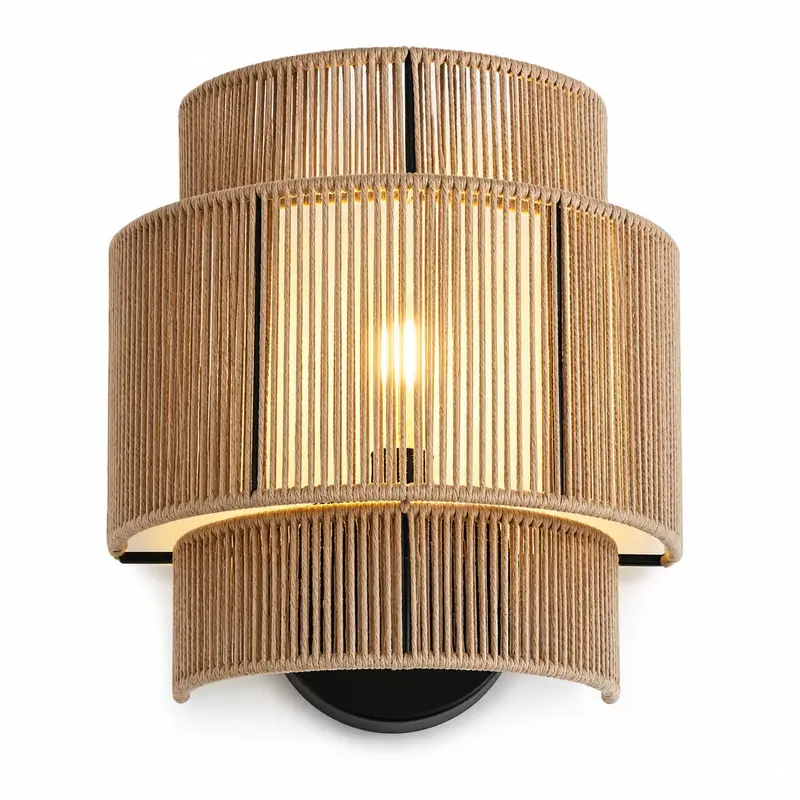
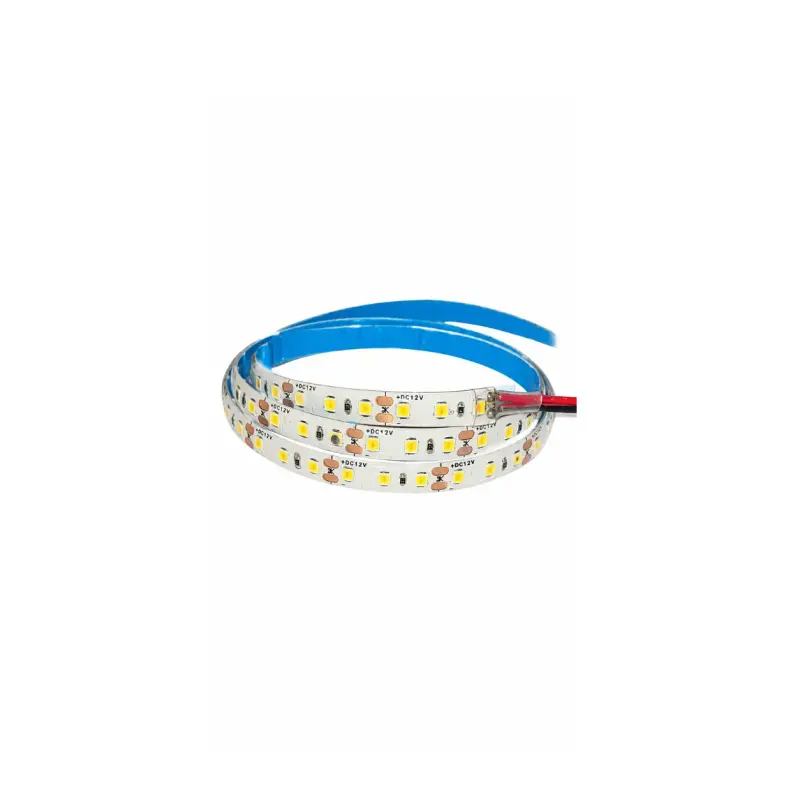
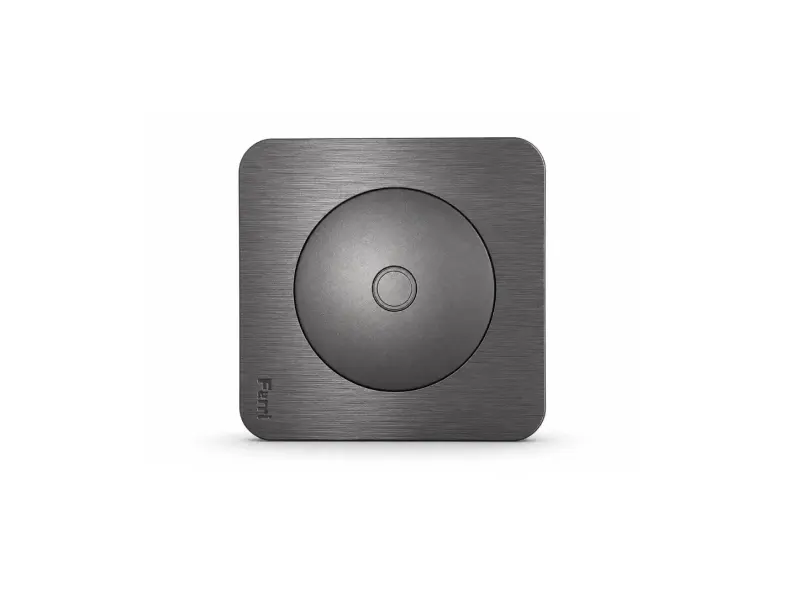
See the full range: Indoor wall lightsLED stripsSwitches & sockets
Frequently asked questions
What light helps you sleep well?
In the evening, warm (2700 K or lower), dim and indirect light. Avoid bright white sources in the two hours before going to bed.
How do I make a discreet night light?
A very warm LED strip under the bed or along the skirting, controlled by a motion sensor: it comes on gently when you get up and switches off by itself.