How do you get your home’s outdoor lighting right?
Paths, façade, terrace, garden: where to place the light, which IP rating to choose and how to light just enough, without glare or waste.
In this article
Start from your needs, not from the light fittings
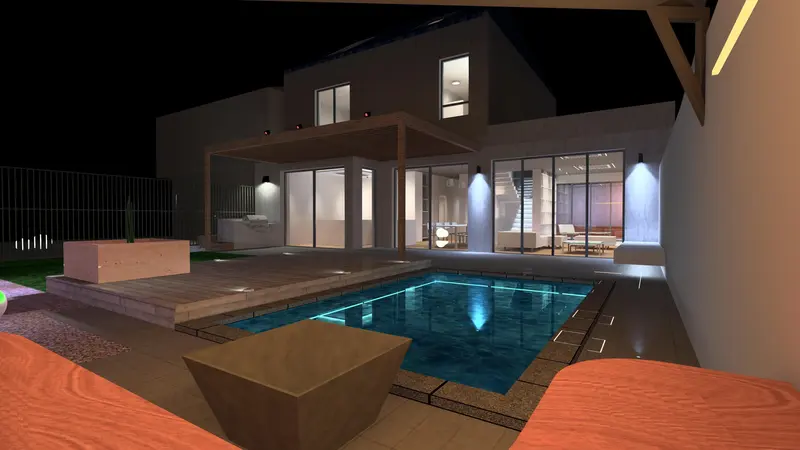
Good outdoor lighting meets three needs: moving around safely (gate, path, steps, entrance), showing off the architecture and the garden, and enjoying the living spaces in the evening (terrace, pergola, poolside). Before choosing a model, follow a guest’s route from the gate to the terrace, and note every spot where they need to see.
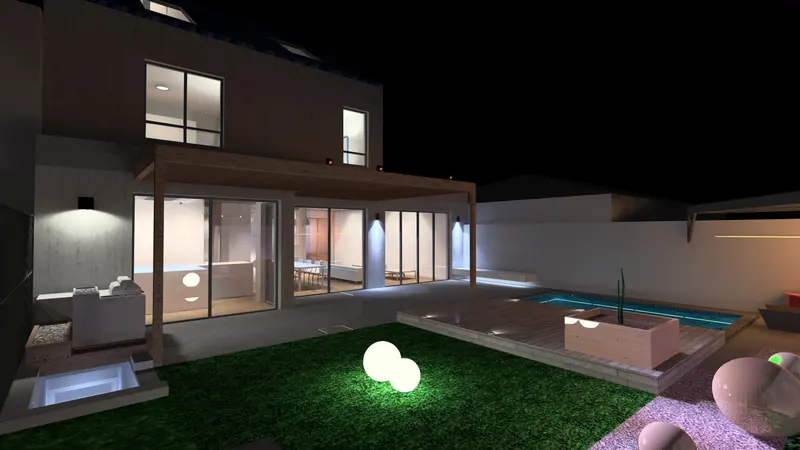
There is no need to light everything: a successful garden keeps some dark areas. It is the contrast between a few well-placed points of light and the half-light around them that gives the night its depth.
The four types of outdoor lighting
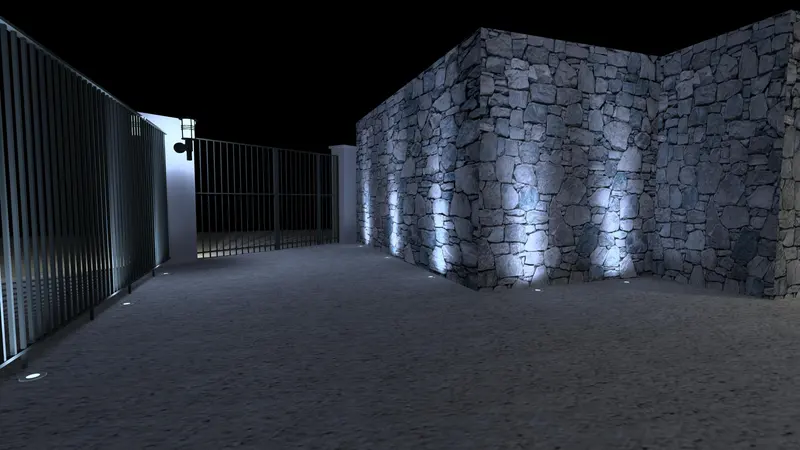
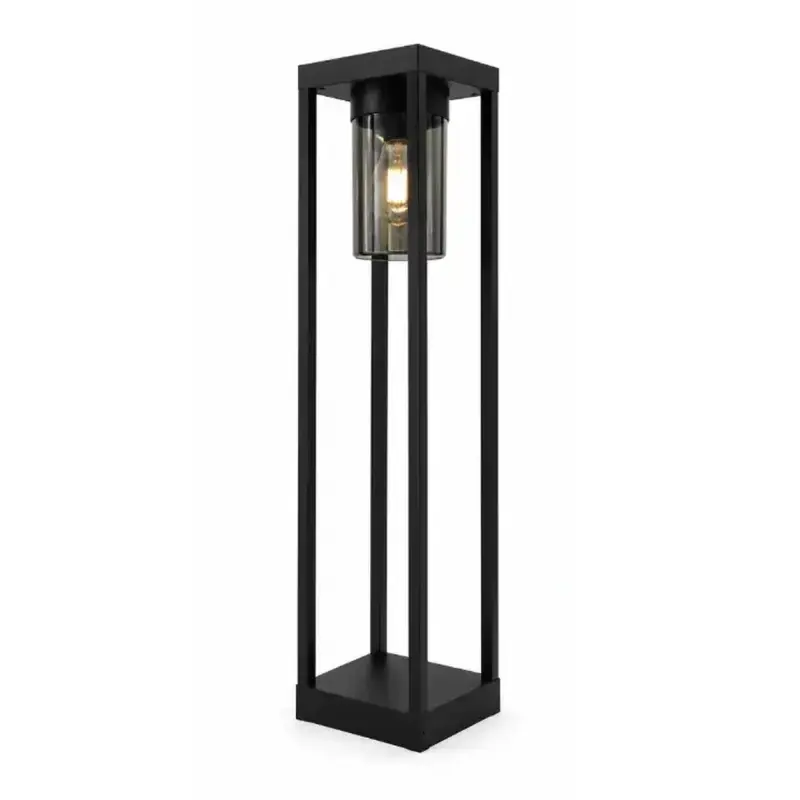
- Wayfinding lighting guides your steps: low bollards along a path, spotlights recessed into the steps or the ground. It lights the ground, not people’s eyes.
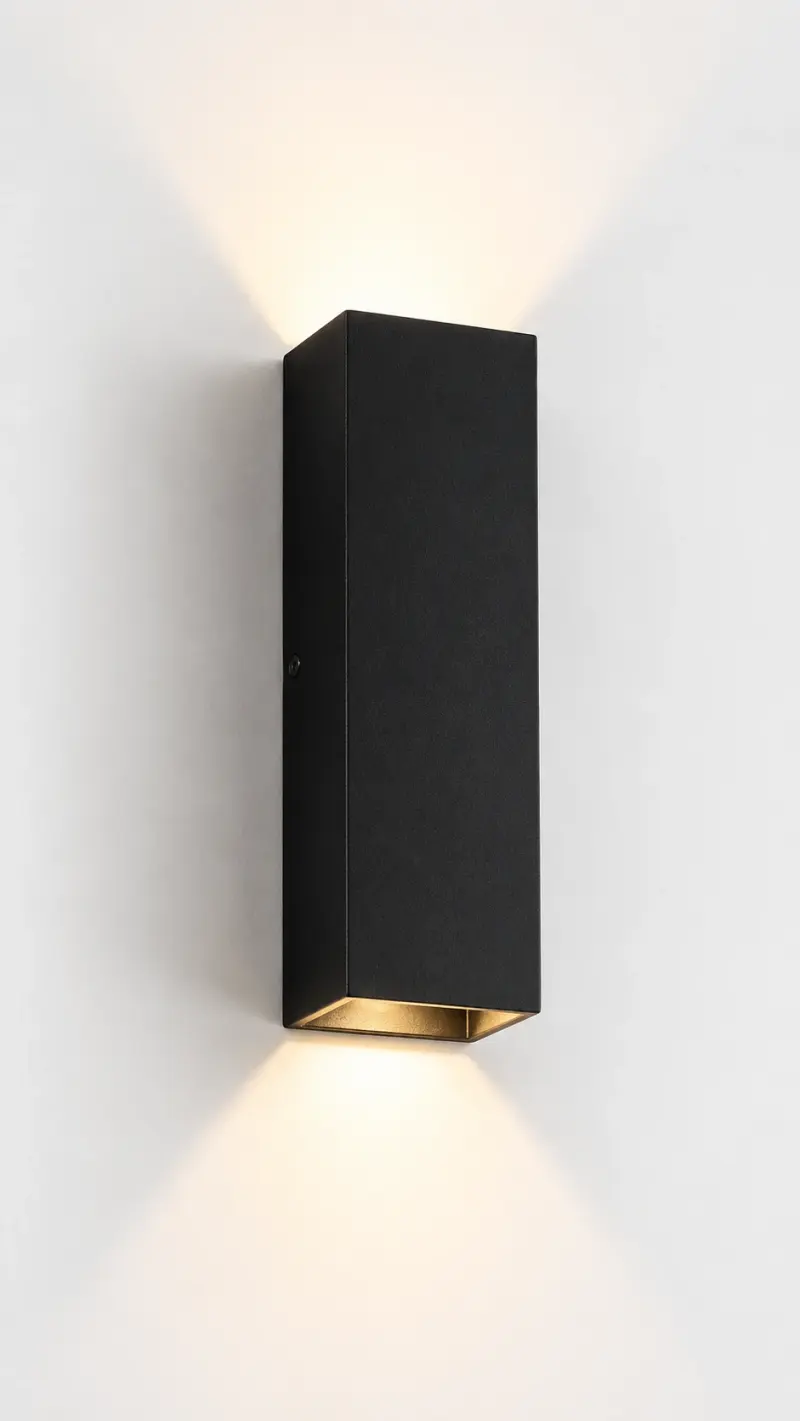
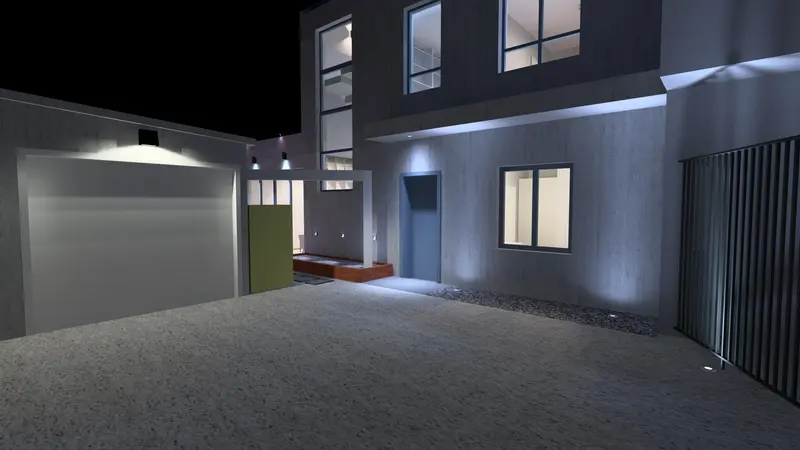
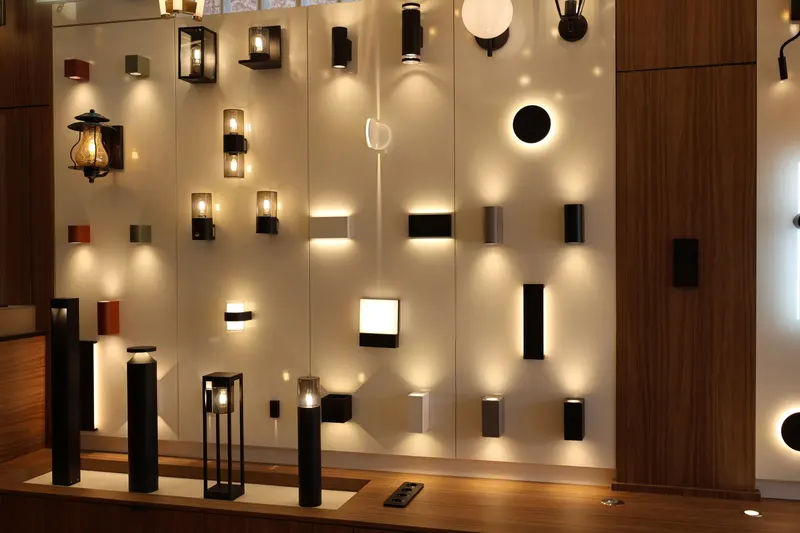
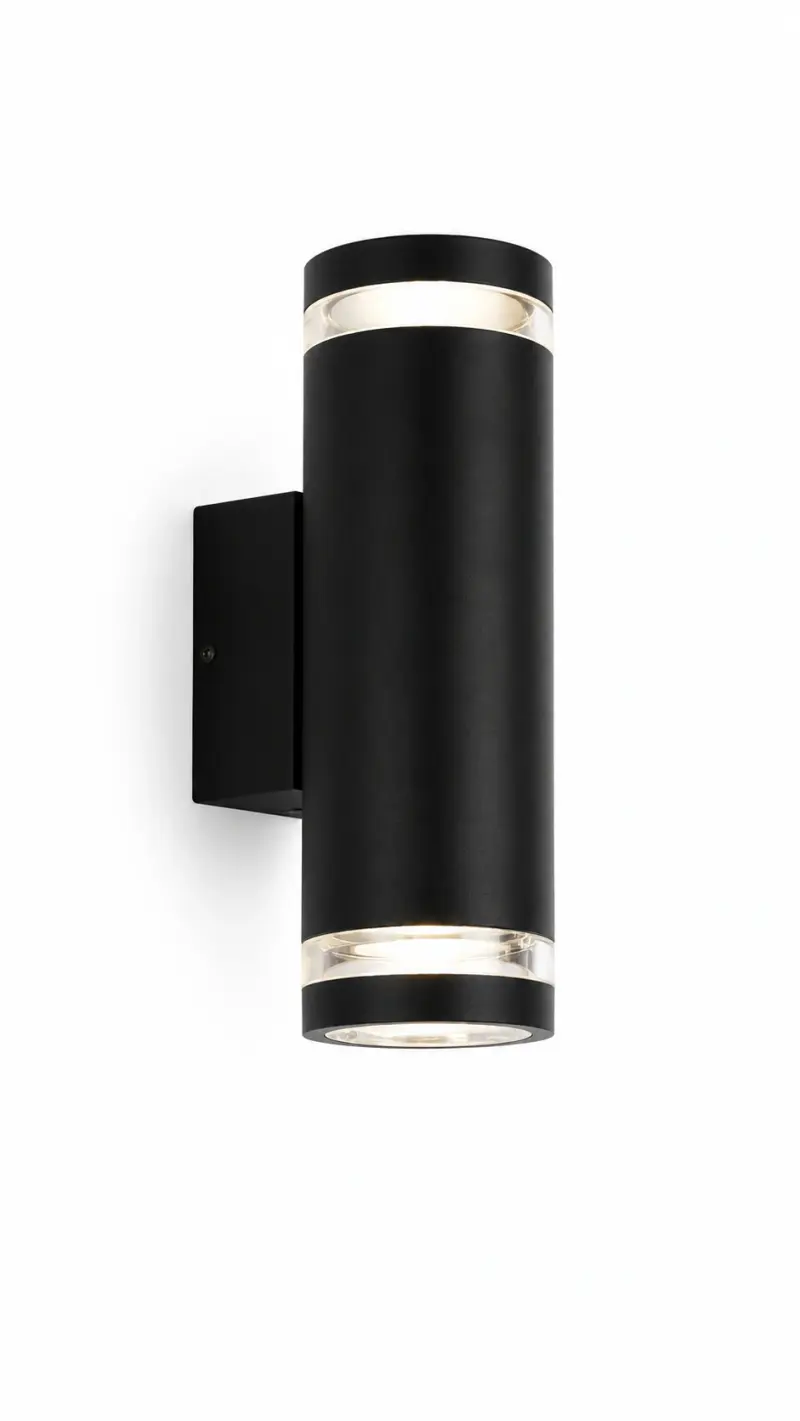
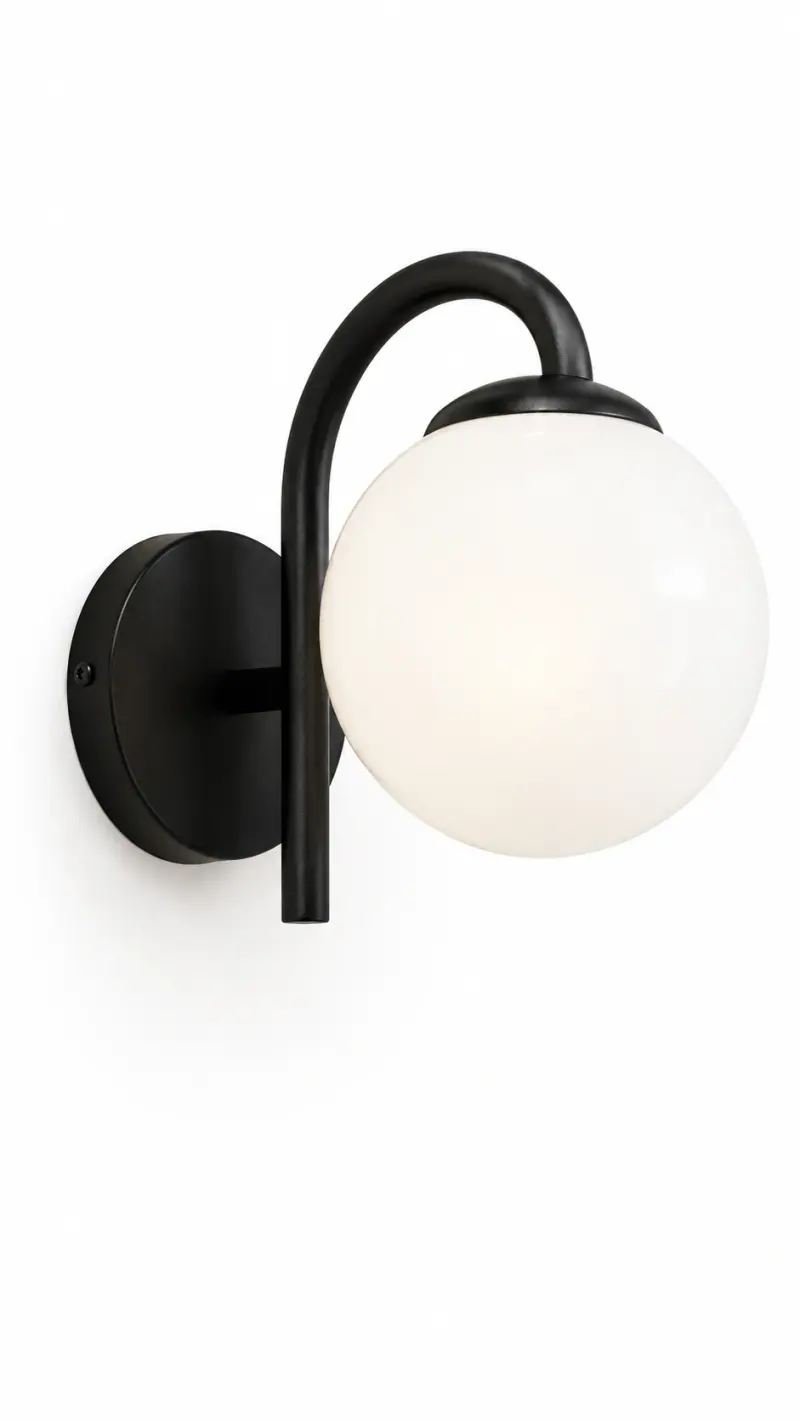
- Wall lighting marks the entrance and highlights the façade: up-and-down wall lights on either side of the door, the garage or a large glass door.
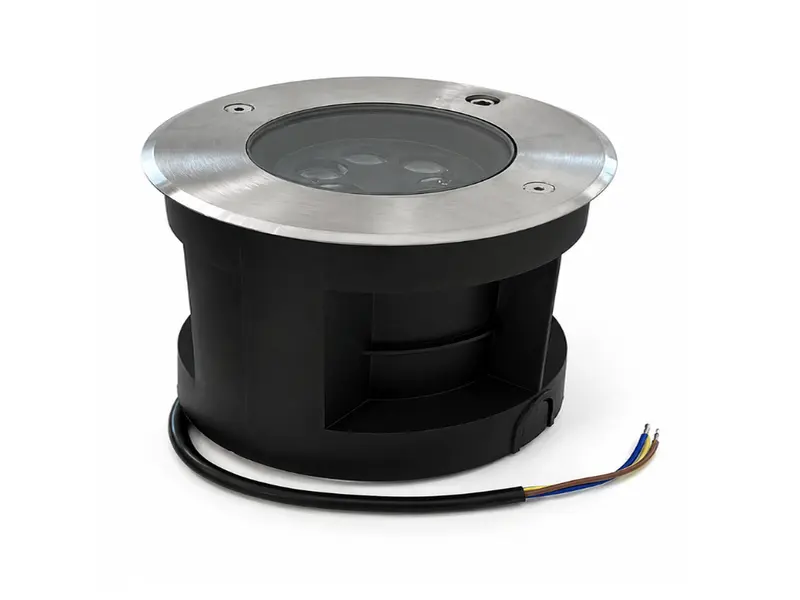
- Accent lighting reveals a tree, a stone wall or a column, with an adjustable floodlight or a ground spotlight placed at its base.
- Mood lighting makes the terrace pleasant: soft wall lights, festoon lights, waterproof LED strip under a bench or a step.
Choosing the right ingress protection (IP) rating
Outdoors, dust, rain and garden watering quickly damage an indoor fitting. The IP rating tells you how resistant it is: the first digit for dust, the second for water.
| Rating | What it withstands | Where to use it |
|---|---|---|
| IP44 | Objects larger than 1 mm and splashing water, including rain | Under an awning, a covered pergola, a sheltered entrance |
| IP54 | The same water resistance as IP44, and protected against dust | Façade, boundary wall, uncovered terrace |
| IP65 | Water jets | Highly exposed façade, pool surrounds, areas reached by sprinklers |
| IP67 | Temporary immersion | Spotlights recessed in the ground, base of a tree, flower bed |
| IP68 | Permanent immersion | Pond, fountain; in a swimming pool, only in SELV (safety extra-low voltage, 12 V), installed by a professional |
Near the sea, choose housings in properly treated aluminium or 316 stainless steel (marine grade): salty air attacks ordinary metals within a few seasons.
Warm, well-directed light
Outdoors, a warm light, between 2700 K and 3000 K, brings out stone and wood and gives a sense of welcome. On foliage, 3000 K, or even 4000 K, keeps greens more vivid. A cold light (5000 K and above) makes the façade look dull and attracts more insects.
Point the light at what you want to show, never at people’s eyes: an upward-facing spotlight should aim at the tree or the wall, not at the sky. A wall light that shines downwards, or up and down along the wall, avoids dazzling your guests and your neighbours. Choose several small sources rather than one powerful floodlight: a few watts of LED per point is often enough.
Where to place your lights
- Entrance: a wall light on each side of the door, at head height or slightly above, to light faces and the lock.
- Path: low bollards roughly every three to five metres, staggered if the path is wide, so the ground is lit with no dark patches.
- Steps: a spotlight recessed into the riser or a strip under the step nosing, so that each level can be seen.
- Trees and walls: one or two spotlights at the base, pointing upwards. For grazing light on a stone wall, place them very close to the wall.
- Terrace and pool: soft wall lights on the walls and low light around the walkways, with no glare for anyone on the sun loungers.
Simple ways to control the lighting
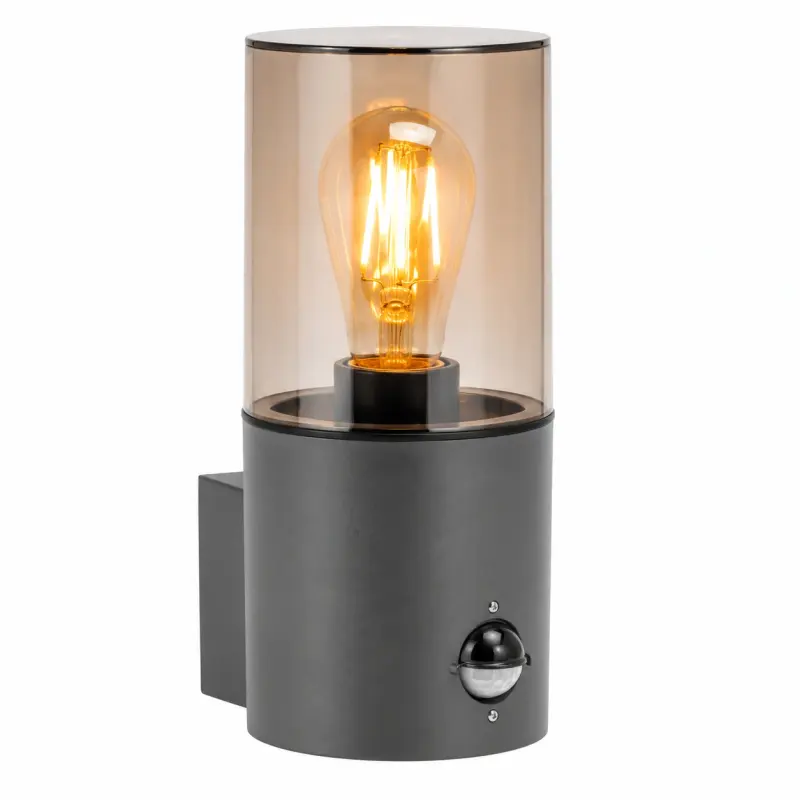
A motion sensor is ideal for the entrance, the garage or a passageway: the light only comes on when someone arrives. For the garden and the façade, a timer or a dusk sensor switches the lights on at nightfall and off at the time you choose.
Plan separate circuits (access, façade, garden, terrace) so you only switch on what you need. With smart lighting, you can create “evening” or “away” scenes from your phone.
A safe installation
Outdoors, electricity calls for precautions: a circuit protected by a 30 mA RCD, cables suitable for burying, in red conduit, usually at least 50 cm deep (deeper under a driveway) with a warning mesh above them, and watertight junction boxes. For a new installation or a whole garden, call in a professional: our electrical team can take care of it.
- Paths, steps and entrance lit so you can move around safely.
- An IP rating suited to each location.
- Warm light (2700–3000 K), aimed at what you are lighting, never at the sky.
- A sensor or a timer, so you never light for no reason.
- Separate circuits and a 30 mA RCD.
Products in this article
Open a product page for the details and the price, or add it to your cart. Delivery anywhere in Morocco.
See the full range: Outdoor wall lightsSpotlights & downlights
Frequently asked questions
What IP rating should a façade wall light have?
IP54 is recommended: the same rain resistance as IP44, with protection against dust, which is everywhere in Morocco. IP65 if the façade gets water jets (sprinklers, poolside).
Which colour temperature should I choose outdoors?
A warm light, between 2700 K and 3000 K, for the façade and terraces: it brings out stone and wood and attracts fewer insects than a cold light. On foliage, 3000–4000 K keeps greens more vivid.
Do I need a motion sensor?
For the entrance, the garage and passageways, yes: the light only comes on when it is needed. For the façade and the garden, a timer or a dusk sensor is a better fit.