LED lighting: benefits and energy savings
Lumens, watts, lifespan, light quality: how to read an LED data sheet, calculate your savings and choose LEDs that really last.
In this article
Why LEDs have replaced traditional bulbs
An incandescent bulb turns most of its energy into heat. An LED produces the same light while using about 80% less, gives off much less heat and lasts much longer: often 25,000 hours or more, compared with about 1,000 hours for a filament bulb and 2,000 for a halogen bulb.
- Lower consumption for the same light.
- Less heat, welcome in summer and for the objects being lit.
- Less maintenance: years without changing a bulb.
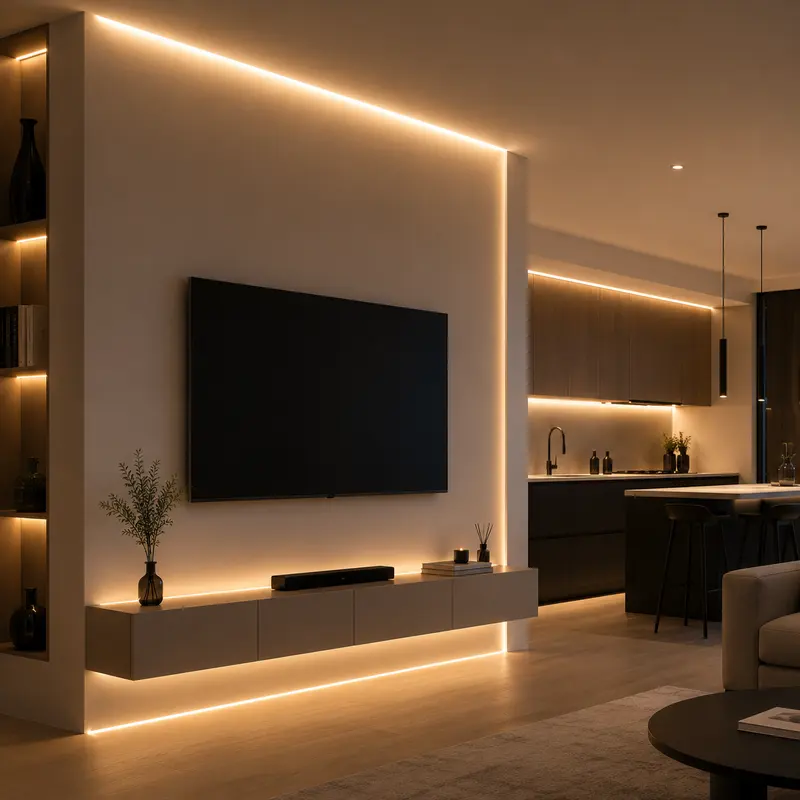
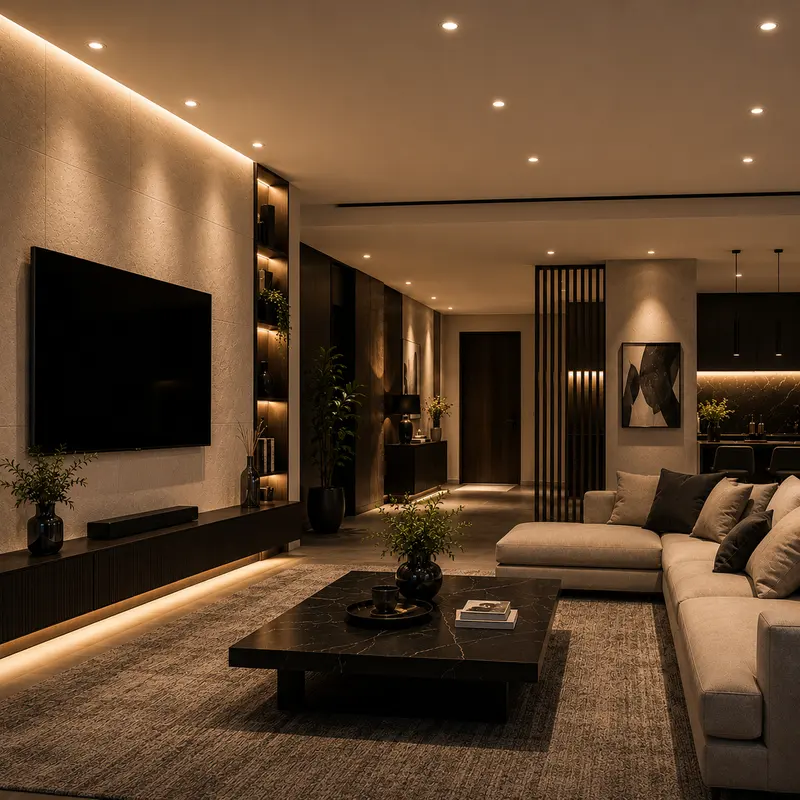
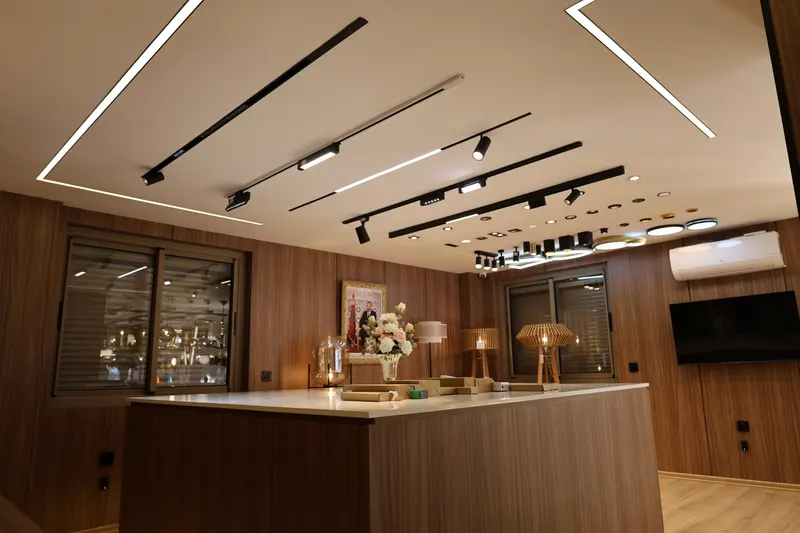
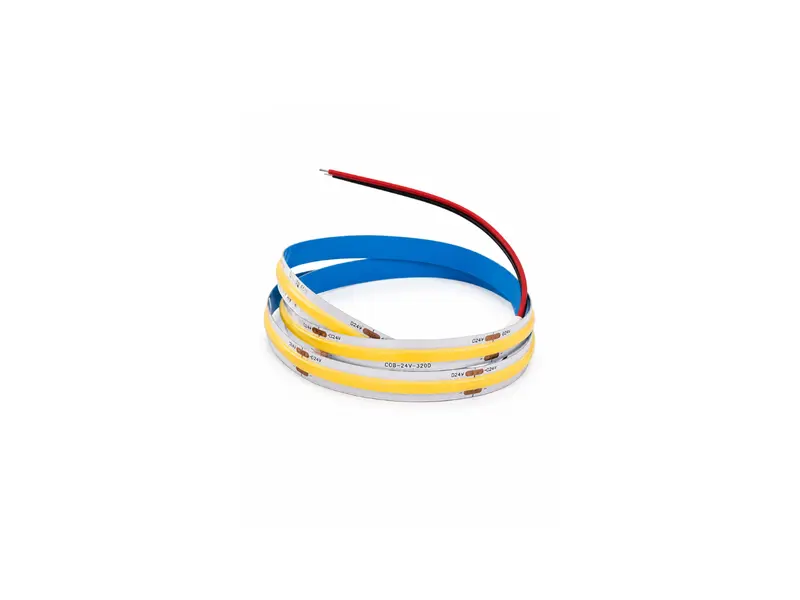
- More possibilities: strips, lines of light, magnetic tracks, dimming, adjustable colour.
Lumens, not watts: reading an LED data sheet
With LEDs, watts tell you the consumption, not the light. The amount of light is given in lumens (lm). To get your bearings:
| Old filament bulb | Luminous flux | Equivalent LED (approx.) |
|---|---|---|
| 40 W | ≈ 470 lm | 5 W |
| 60 W | ≈ 800 lm | 8–9 W |
| 75 W | ≈ 1,050 lm | 11 W |
| 100 W | ≈ 1,500 lm | 14–15 W |
The other information on an LED data sheet:
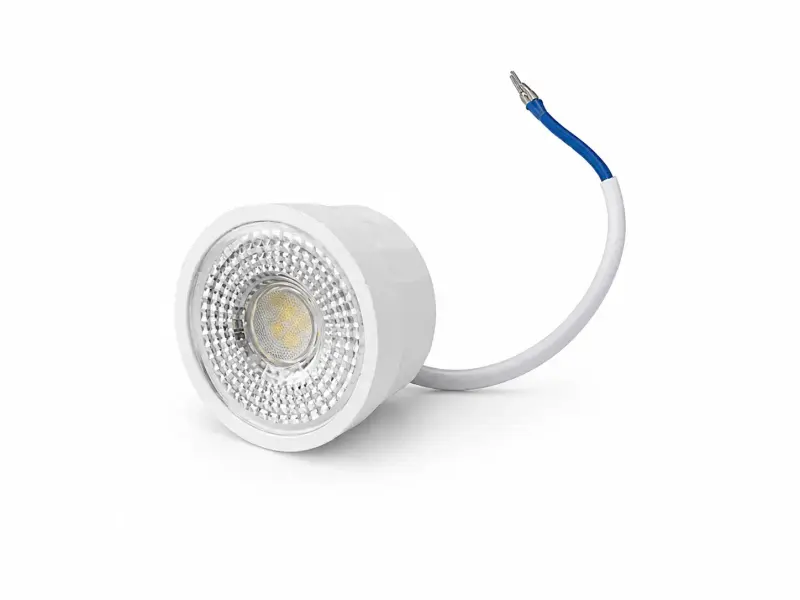
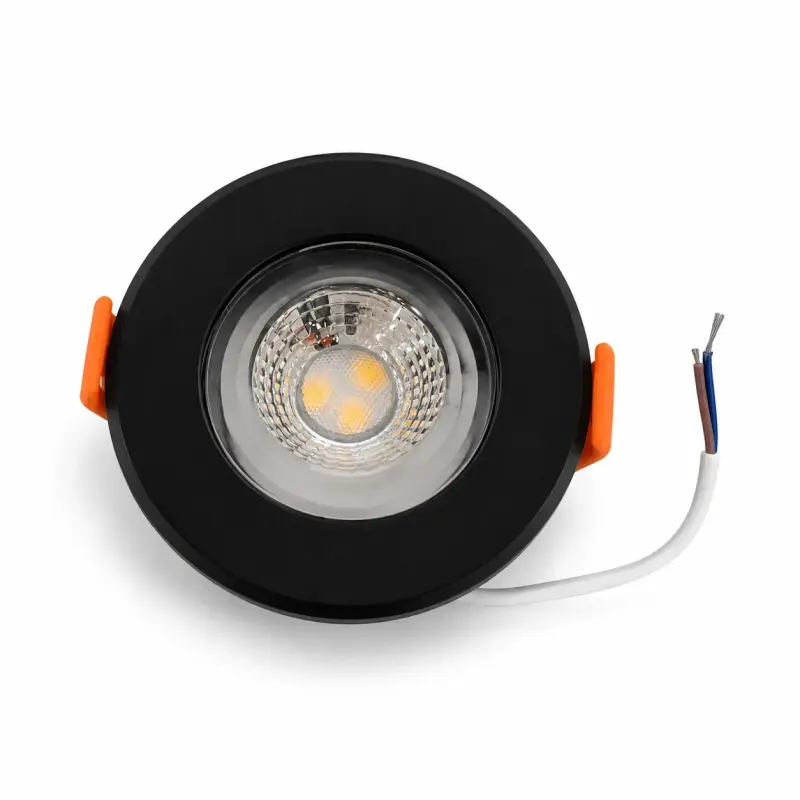
- Efficacy (lm/W): the lumens produced per watt. For example, our 8 W, 800 lm LED spotlight reaches 100 lm/W.
- Colour temperature (K): warm (2700–3000 K) or neutral (4000 K). See our guide to kelvins.
- CRI (Ra): colour fidelity, at least 80, ideally 90 in living spaces.
- Beam angle: narrow (10°–36°) for accent lighting, wide (60° and above) to light a surface.
- IP: protection against dust and water, essential outdoors and in damp rooms.
- Dimmable or not: only LEDs labelled dimmable work with a dimmer.
Calculate your savings
Take ten 50 W halogen spotlights, on for five hours a day, replaced by ten 6 W LED spotlights:
- Power saved: 10 × (50 − 6) = 440 W.
- Per day: 0.44 kW × 5 h = 2.2 kWh.
- Per year: 2.2 × 365 ≈ 800 kWh saved.
Multiply this figure by the price per kWh shown on your electricity bill: as a rough guide, at 1.2–1.6 dirhams per kWh, that comes to around 1,000 dirhams a year for these ten spotlights. For a whole villa, the savings run into thousands of dirhams. And the reduced heat also lightens the load on the air conditioning in summer.
Choosing LEDs that last
Not all LEDs are equal. A low-end LED quickly loses its brightness, changes colour or flickers. A few points to check:
- A quality driver (the power supply): it is often the first part to fail, and it is what prevents flicker.
- Good heat dissipation: an LED enclosed without ventilation runs hot and ages faster. Strips go in an aluminium profile.
- Consistent colour from one fitting to the next, especially for a row of spotlights.
- A brand and a warranty you can actually claim on.
Going further
LEDs can be combined with motion sensors, timers and dimmers so that you only light what is useful. With smart lighting, you control everything from a phone. And for outdoor areas or an isolated site, solar power can supply the lighting.
- Compare lumens, not watts.
- Check the colour temperature, the CRI and the beam angle.
- Choose dimmable LEDs if you want a dimmer.
- Start with the lamps you use most.
Products in this article
Open a product page for the details and the price, or add it to your cart. Delivery anywhere in Morocco.
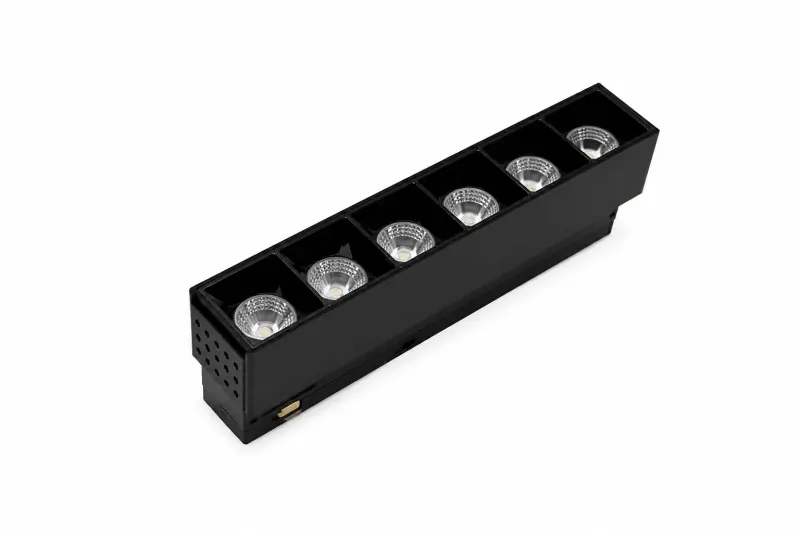
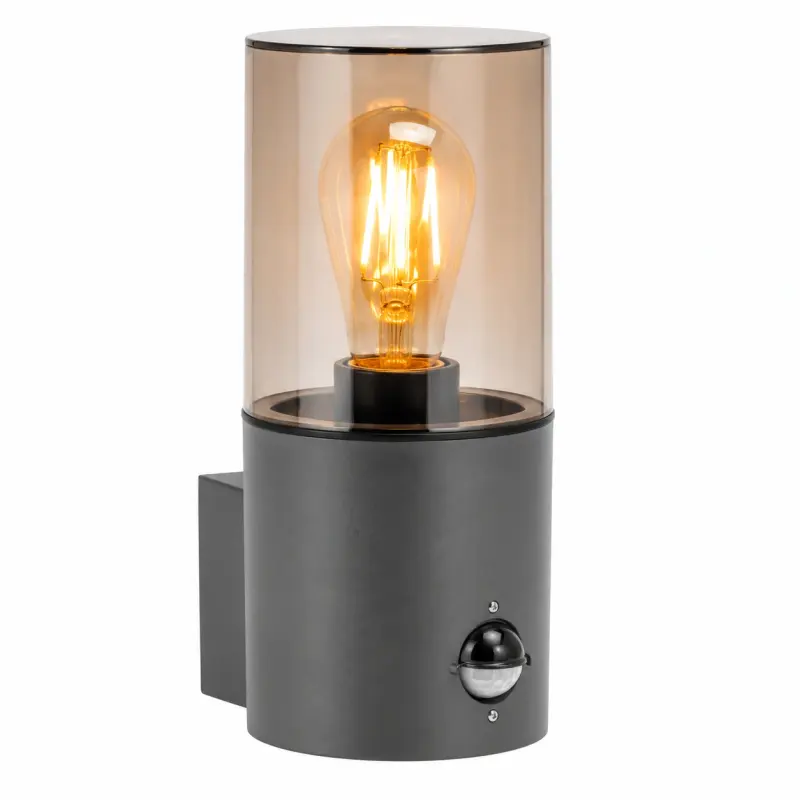
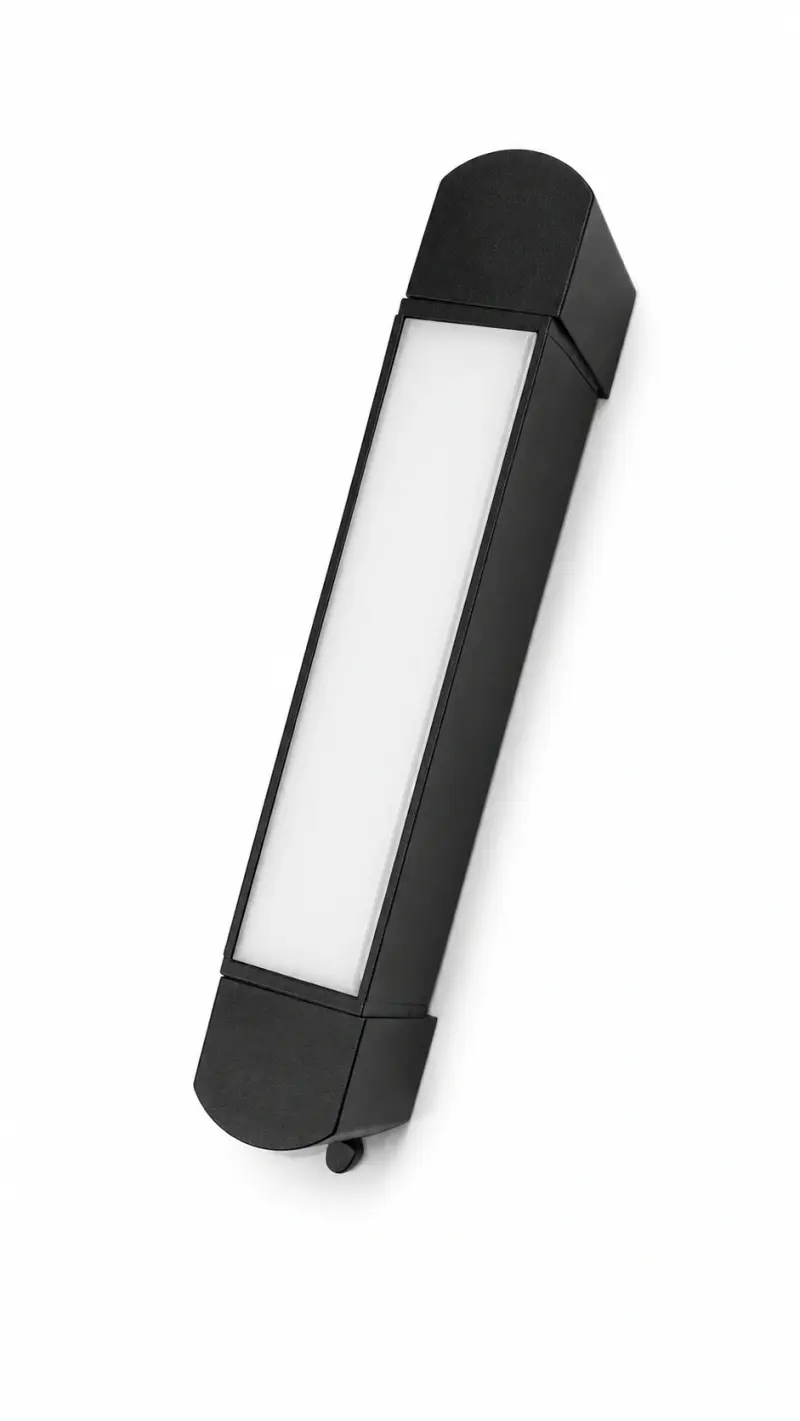
See the full range: Spotlights & downlightsLED stripsMagnetic track lighting
Frequently asked questions
How much does an LED use compared with a traditional bulb?
About 80% less than a filament bulb for the same light: an 8–9 W LED replaces a 60 W bulb.
How long does an LED last?
Often 25,000 hours or more, which is over 13 years at 5 hours a day, as long as it is well cooled and its driver is of good quality.
Are all LEDs dimmable?
No. Only LEDs labelled dimmable work with a dimmer, and the dimmer must be compatible with them.