Natural light: letting it in, spreading it, complementing it
Orientation, overhead openings, pale walls, sun protection, electric lighting taking over in the evening: making the most of daylight, without glare or heat.
In this article
Why daylight matters
No lamp can match natural light. It renders colours perfectly (it is the reference for the colour rendering index), it varies through the day, from about 2000 K at sunrise and sunset to 5500–6500 K around midday, and it sets our internal clock: a good dose of light in the morning helps us stay alert during the day and sleep better at night.
It also has a very practical benefit: every hour when daylight is enough is an hour without electric lighting. A house with good natural light uses less energy and feels larger.
Letting light in: orientation and openings
In Morocco, each façade receives a different light:
| Orientation | Light | Ideal for |
|---|---|---|
| South | Abundant; high sun in summer, low and warm in winter | Living room, kitchen; easy to shade with an awning |
| North | Soft and steady, almost never direct sun | Office, workshop, work rooms |
| East | Morning sun, cool | Bedrooms, breakfast corner |
| West | Low afternoon sun, hot and dazzling | Rooms little used in the afternoon; needs shading |
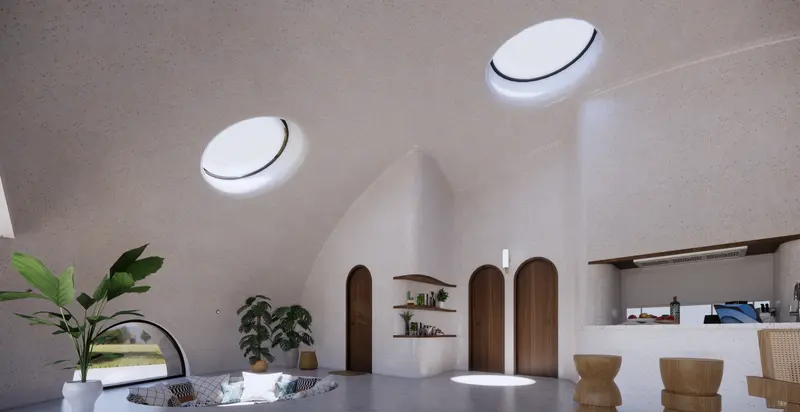
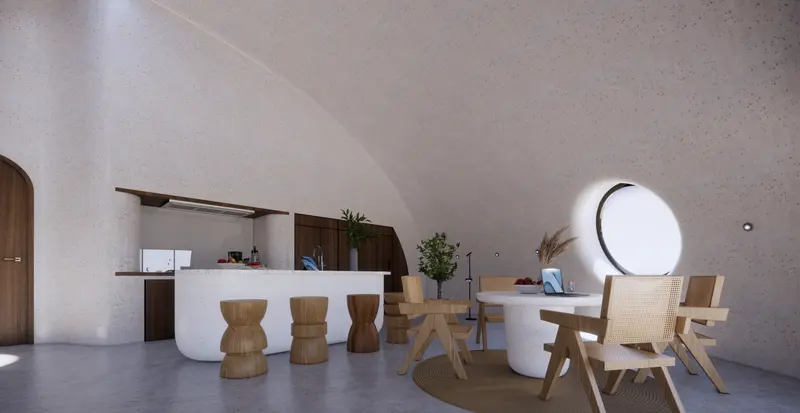
The height of the openings matters as much as their size. As a rule of thumb, daylight lights a room well up to a depth of about twice the height of the top of the window. Beyond that, the back of the room stays dark. Hence the value of high windows, glazed fanlights above doors and, above all, overhead openings: for the same area, a skylight or an oculus often brings in two to three times as much light as a window in the façade.
Spreading light through the room
Once inside, the light has to travel. The surfaces do all the work:
- Pale, matt walls and ceilings: a white wall reflects about 80% of the light it receives, a dark wall less than 20%. A pale render, tadelakt or white limewash diffuses a soft light, with no reflections.
- A pale floor near the windows, which reflects the light up towards the ceiling.
- Glazed doors, fanlights, low partitions: the light passes from one room to the next.
- A mirror on a wall beside the window, rather than opposite it: it reflects the light towards the back of the room without glare.
- Low furniture near the windows, so as not to block the light.
Controlling sun and heat
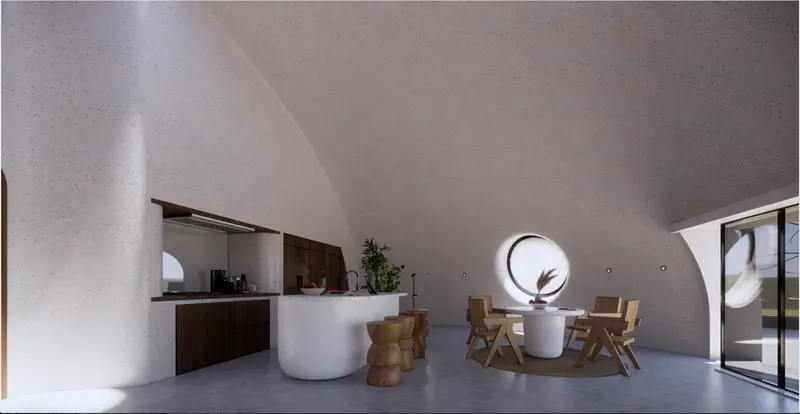
Under the Moroccan sun, more light must not mean more heat or more glare. Traditional architecture solved this long ago: the patio of the riad brings light into the heart of the house while keeping it cool, and the mashrabiya filters the sun while preserving privacy.
- External shading (awning, brise-soleil, pergola, louvred shutters) stops the heat before it gets in; an internal blind cuts glare but lets more heat through.
- A roof overhang on the south side lets in the low winter sun and blocks the high summer sun.
- On the west side, adjustable louvred shutters or thick sheer curtains, because the sun there is low and direct.
- Solar control glazing limits heat gain through large glazed openings.
When daylight fades, electric lighting takes over
Natural light is never enough everywhere or all the time. The back of a deep room, a corridor or a windowless bathroom needs electric light even in broad daylight. And when evening comes, the lighting has to take over gently.
- During the day, near the windows, 4000 K light blends naturally with daylight, whereas very warm light looks yellow beside it.
- In the evening, switch to 2700–3000 K, which is more restful, as recommended in our article on evening light.
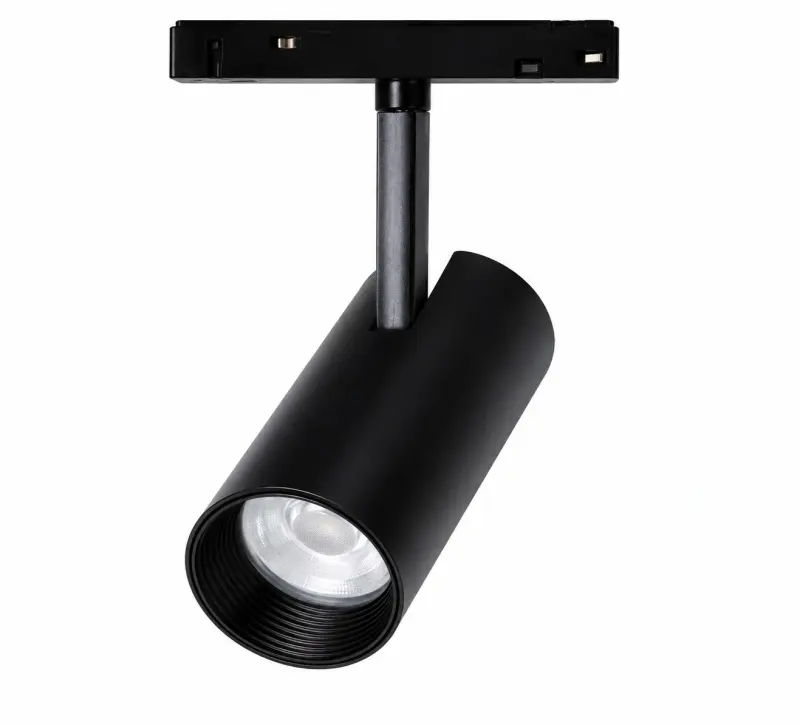
- Modules with adjustable colour temperature (CCT), such as those of our magnetic track lighting, follow the day: neutral by day, warm in the evening.
- A daylight sensor automatically dims or switches off the lighting when daylight is enough: very effective in offices and passageways.
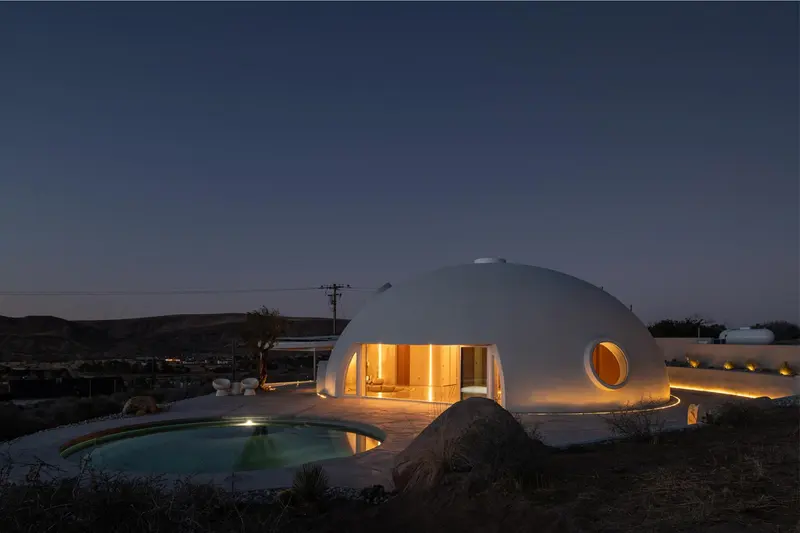
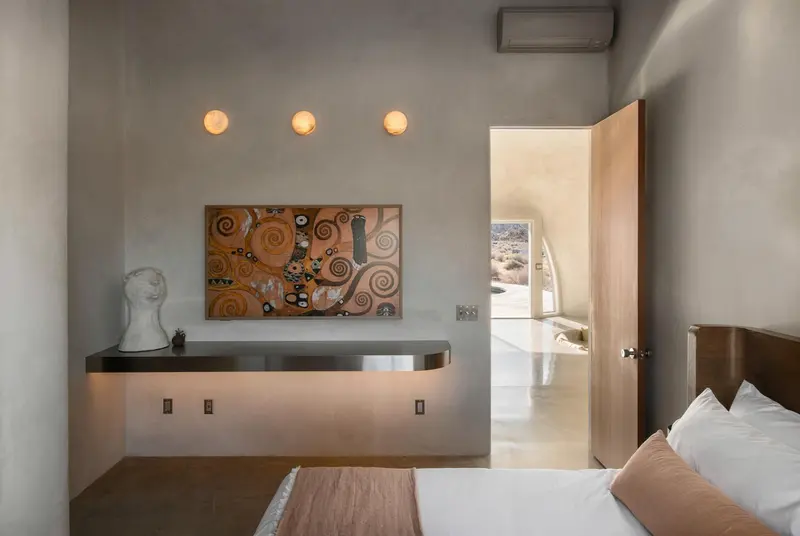
With smart lighting, these transitions can be programmed: a more neutral “day” scene, and a warmer, softer “evening” scene.
- Living areas facing south or east, the office facing north.
- High or overhead openings to bring light deep into the room.
- Pale, matt walls and ceilings.
- External sun protection, especially on the west side.
- Neutral lighting by day, warm in the evening, adjustable if possible.
Products in this article
Open a product page for the details and the price, or add it to your cart. Delivery anywhere in Morocco.
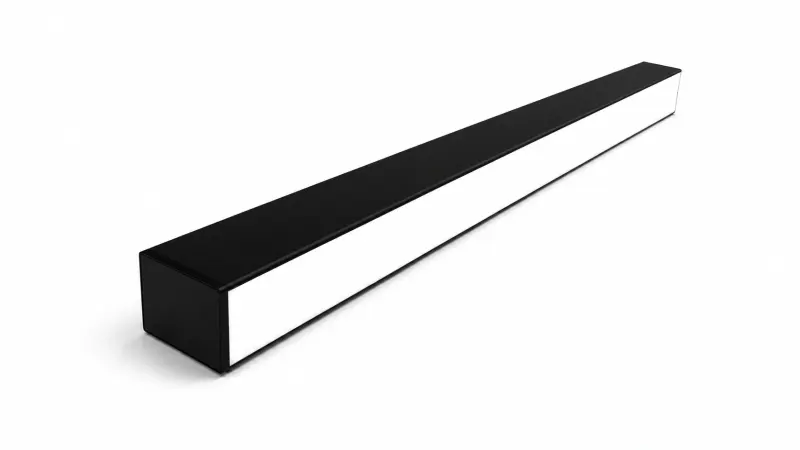
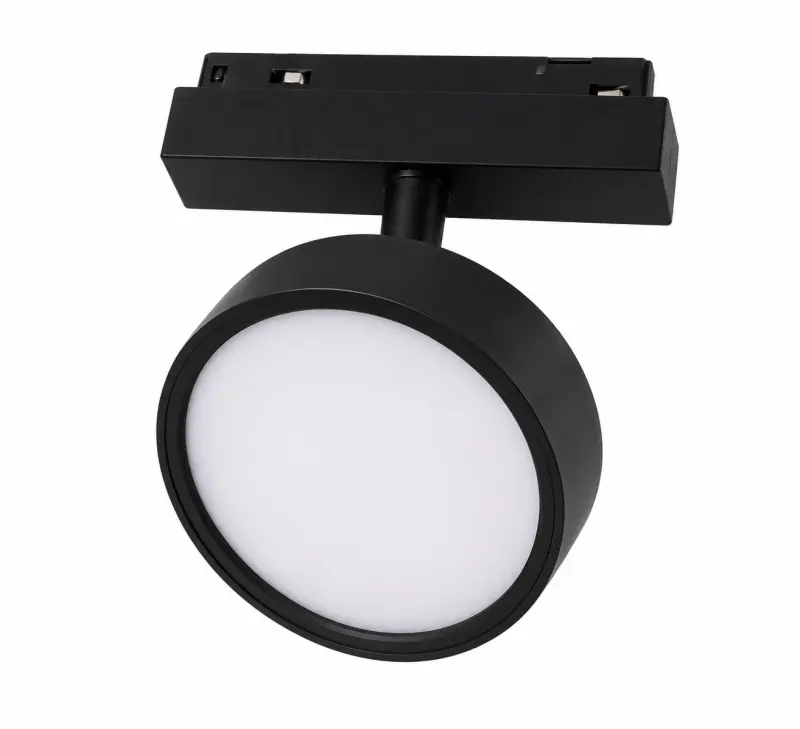
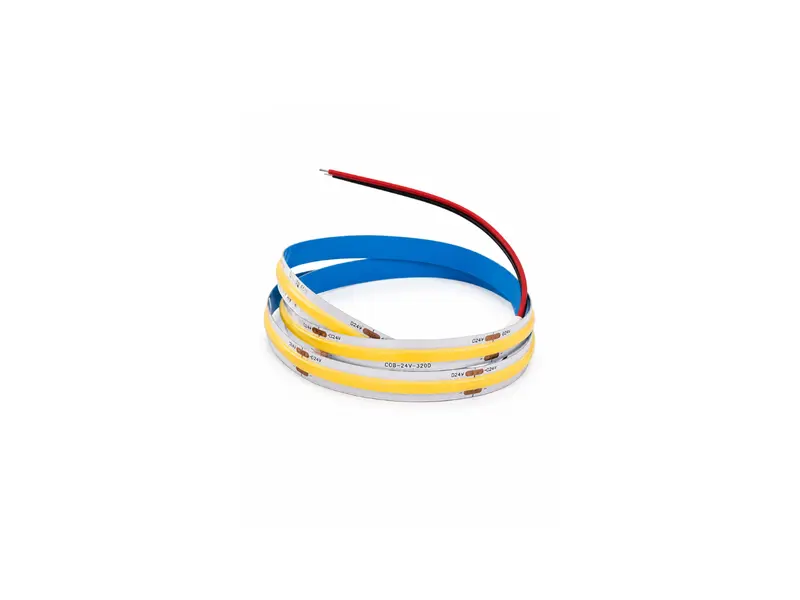
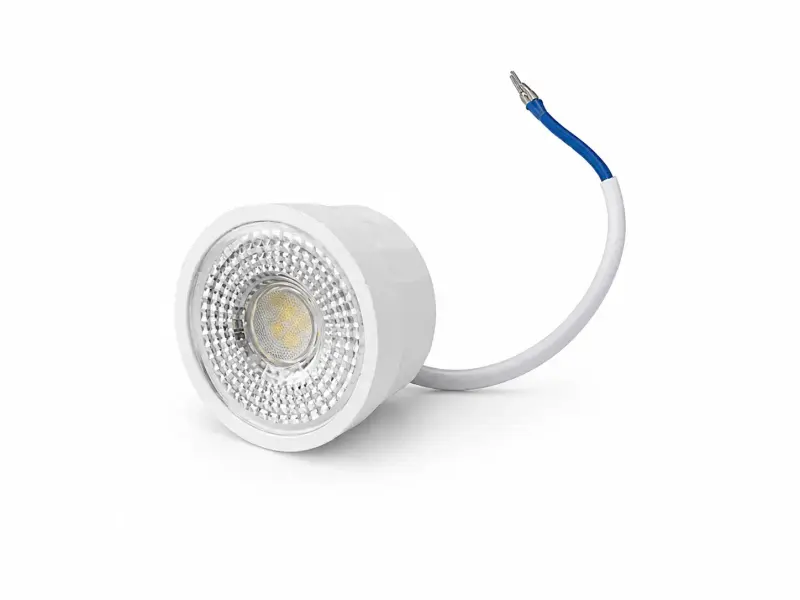
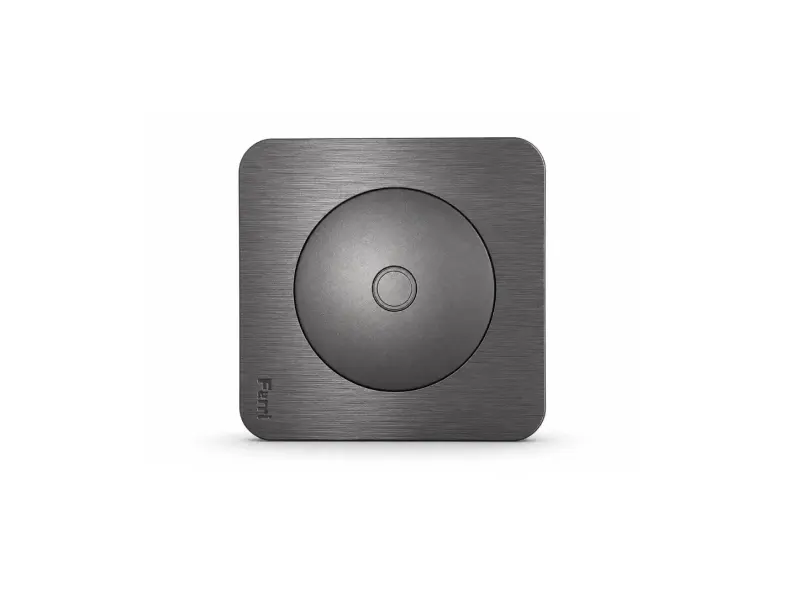
See the full range: Magnetic track lightingLED stripsSpotlights & downlightsSwitches & sockets
Frequently asked questions
Which orientation for an office or a workshop?
North: soft, steady light with almost no direct sun, so no glare and no reflections on the screen. Failing that, east, with the morning sun.
How do you light a room with no window?
With indirect light on a pale ceiling and pale walls, at 4000 K and CRI 90 during the day, warmer in the evening. Under an accessible roof, a light tube (tubular skylight) can also bring daylight into it.
Do you need 6500 K “daylight” bulbs?
Rarely in a home: they are cold and harsh, especially in the evening. Choose 4000 K with a good CRI during the day instead, and modules with adjustable colour temperature if you want to follow the course of the day.